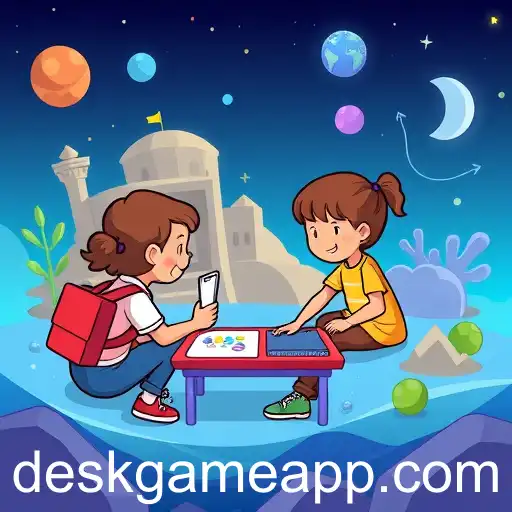
deskgame | The Rise of Interactive Learning Through Desk Games

In recent years, the traditional concept of desk games has dramatically evolved, thanks in part to interactive learning methods and technological advancements. As we step into 2026, desk games have transcended beyond simple leisure activities to become an integral part of educational and training programs globally.
The catalyst for this pertinent shift can largely be attributed to the integration of gamification strategies in learning environments. By incorporating elements of challenge, storytelling, and engagement into curriculum-based activities, educational institutions have tapped into the motivational aspects of gaming to improve student learning outcomes. Desk games, particularly those that simulate real-world scenarios, have shown remarkable effectiveness in enhancing critical thinking, problem-solving skills, and collaboration among students.
As educators continue to harness the power of gamification, companies specializing in desk games are also pivoting to meet this growing demand. New variations that incorporate tech-driven enhancements such as augmented reality (AR) and interactive digital tools are continuously being developed. This blend of traditional and digital game elements not only rejuvenates interest in desk games but provides a dynamic platform for experiential learning.
Moreover, as societies face continuous shifts in working environments, companies are increasingly using desk games as tools for employee engagement and skill development. This practice has been particularly noted in sectors that require high levels of creativity and teamwork, such as design, marketing, and technology. Employers have found that desk games can break down communication barriers and foster a more cohesive workplace culture.
Despite these advantages, the integration of desk games in educational and professional settings isn’t devoid of challenges. Critics argue that excessive reliance on gamified environments may overshadow conventional teaching methods, possibly affecting foundational learning. There is also a concern about digital desk games contributing to increased screen time among users, which goes against health advisories that advocate for balanced physical and digital activities.
Nevertheless, the future of desk games in education and work environments appears promising. Continued innovation, coupled with a balanced approach to integrating desk games, can offer a well-rounded strategy for fostering creativity, learning, and collaboration. As 2026 unfolds, stakeholders from the education and business sectors are poised to redefine the landscape of interactive and experiential learning.


The Evolving Landscape of Online Gaming in 2025
Exploring the latest trends, challenges, and opportunities in the world of online gaming in 2025.

Gaming Trends in 2025: Deskgame Leads the Charge
Exploring the latest trends in the gaming industry in 2025, with a focus on the growing influence of Deskgame.

Evolving Landscape of Online Gaming
Exploring the impact of emerging technologies and trends on the online gaming industry in 2025.
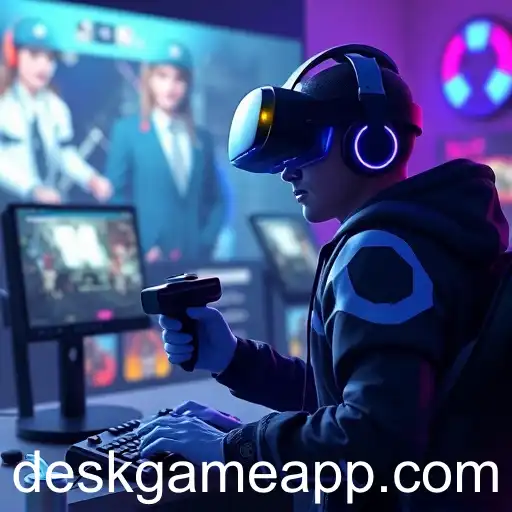
The Evolution of Online Gaming in 2025
Explore the rapid advancements in online gaming and how platforms like deskgame are leading the charge in 2025.